
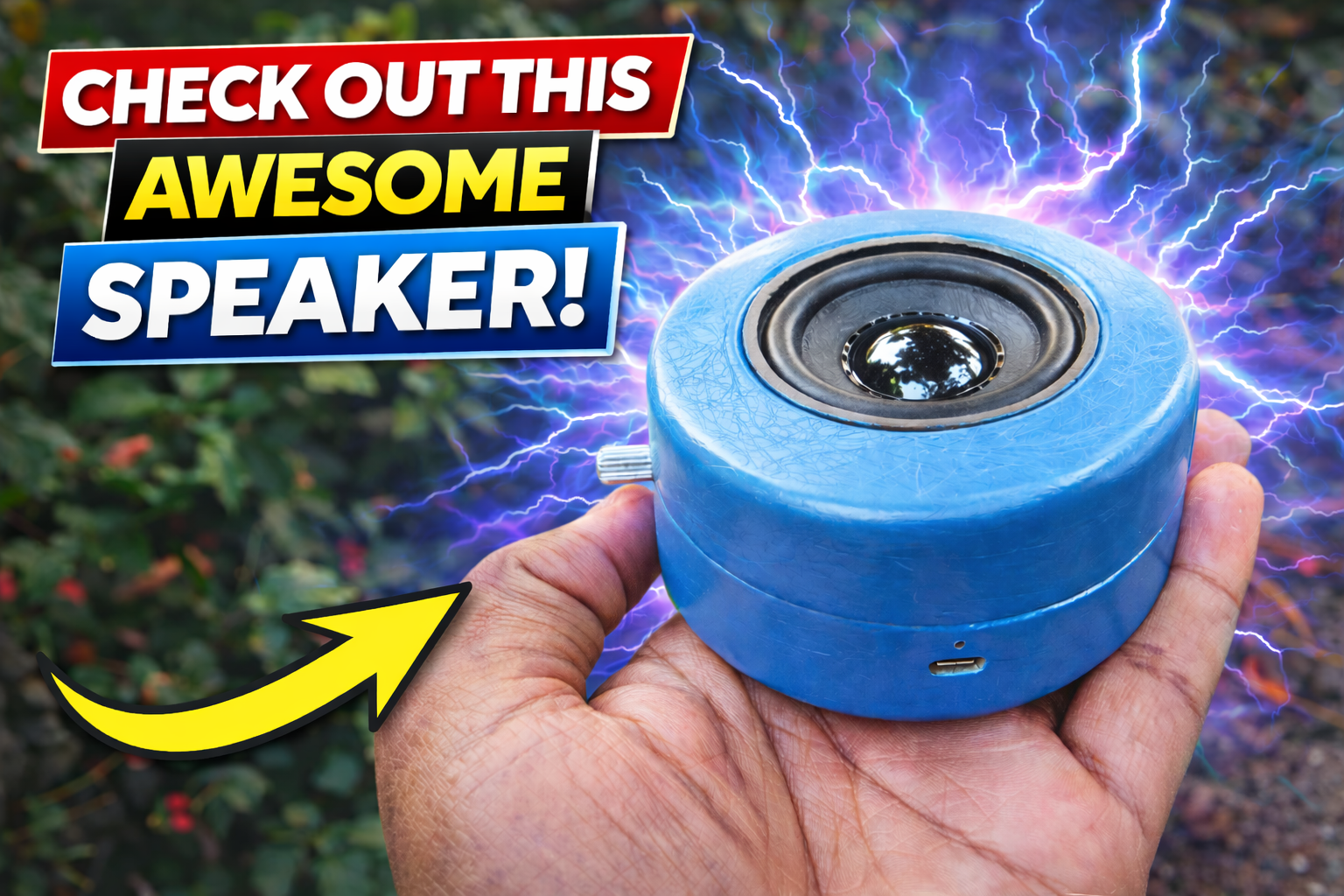
When I was little, I really wanted to build a Bluetooth speaker at home. I even tried to make one, but I failed. That’s because at that time I didn’t know how to make a Bluetooth speaker.
Just like me, many others must have tried to build one but failed. And they probably think that building a Bluetooth speaker is difficult.
But no, it’s very easy to build one.
In today’s blog, we are going to show you how to make a Bluetooth speaker at home. We’ll include complete instructions with images and a YouTube video tutorial.
Why Made this?
Because when you try to make something and you succeed, it’s a lot of fun. And this Bluetooth speaker will be a lot of fun to make. And it will look very nice, just like one you would buy from a store.
And since it’s portable, you can take it with you at home, while traveling, to picnics, parties, and anywhere else you want.
Backup :
If we talk about its battery backup, it uses two 3.7V 500mAh lithium-polymer batteries, which makes it a 3.7V 1000mAh battery. So, if you charge it once, it will last for 9 to 10 hours at 40% background volume and 1 to 2 hours at 80 to 100% high volume.
If you want to make a charge light : Read how to make DIY charge light at home
Components
So guys, to build this Bluetooth speaker, we will use two PVC end caps, 3.7V lithium-polymer battery, a 5V charging module, a 5V Bluetooth receiver module, and a 5V PAM8403 audio amplifier module and a 2-inch 4-ohm 5W speaker.
- PVC End caps – (Amazon)
- 3.7v lithium-polymer Battery – (Amazon)
- 5v charging module – (Amazon)
- 5v Bluetooth receiver – (Amazon)
- 5v PAM8403 amplifier module – (Amazon)
- 2-inch 5w speaker – (Amazon)
Step by Step Making Process
If this is your first time doing something like this, don’t worry, because I’m going to explain everything step by step in a very easy way. So, what are you waiting for? Let’s get started!
Step 1: Make the body
So guys, to make this Bluetooth speaker, we are going to use a 75 mm PVC end cap. It’s not necessary to use a PVC end cap; you can use anything you like, such as a plastic box or a wooden box, etc.
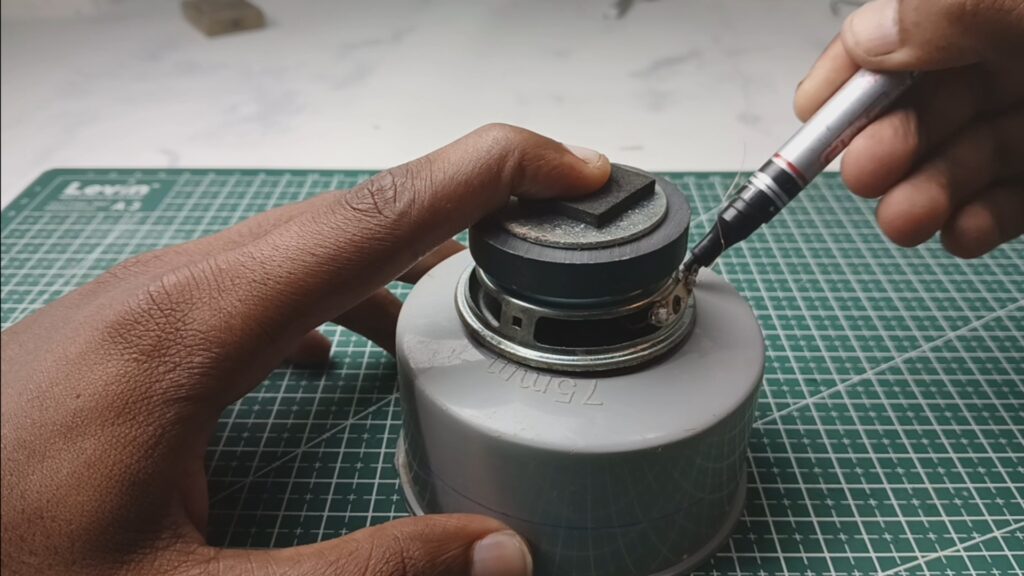
First, on the top part of the end cap, make a cut according to the speaker’s measurements where you want to install the speaker, like this (image 1).
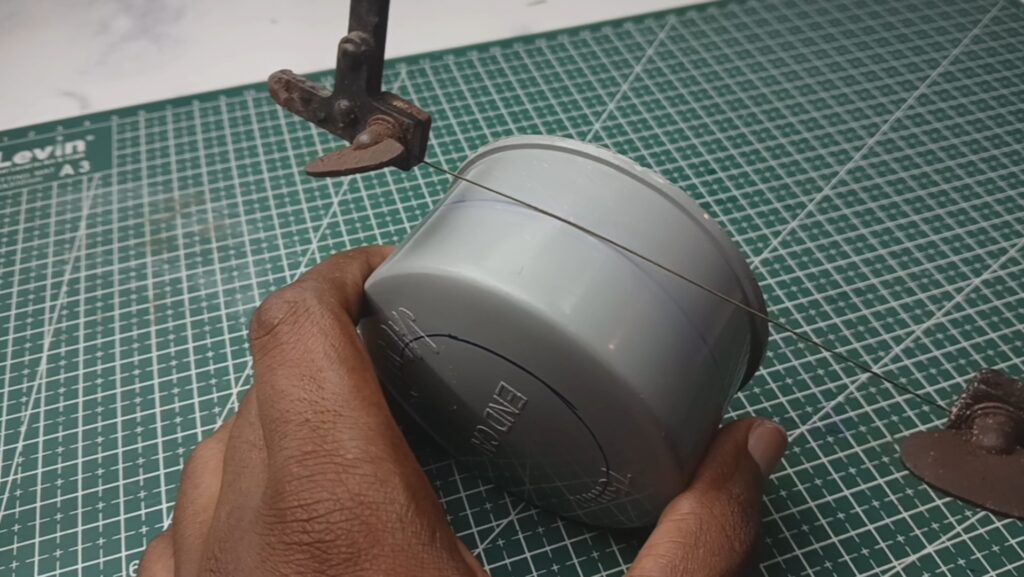
Then, keep the leg part of the end cap at 2.5 cm and mark and cut off the rest, like this (image 2).
After doing this much, our Bluetooth speaker body is ready.
Step 2: Modification
After the Bluetooth speaker body is ready, we need to do some more modifications, such as cutting a groove for the charging pin so that the Bluetooth speaker battery can be charged. And for the PAM8403 amplifier module, so that the Bluetooth speaker can be turned on/off and the volume can be controlled. Something like this.
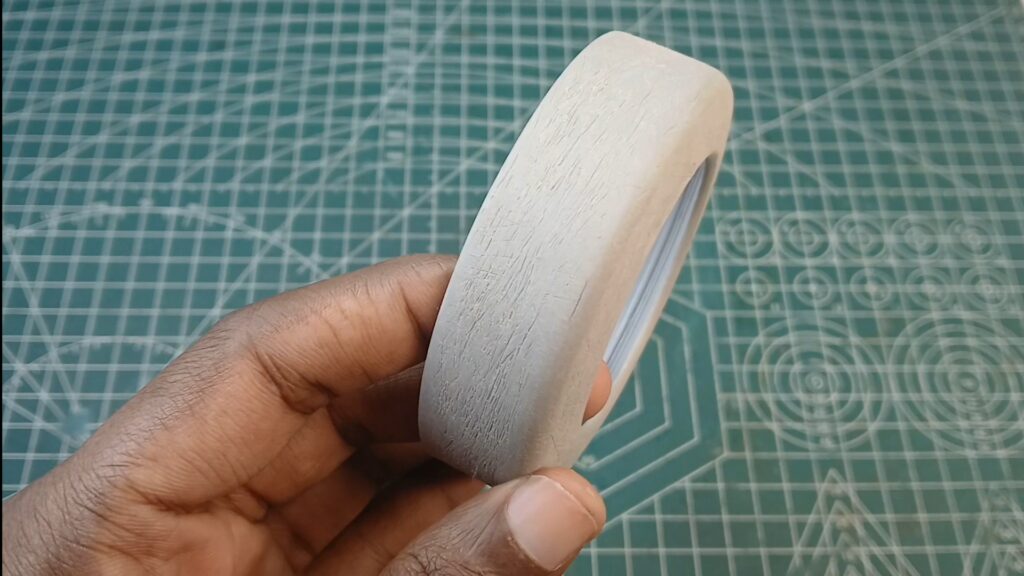
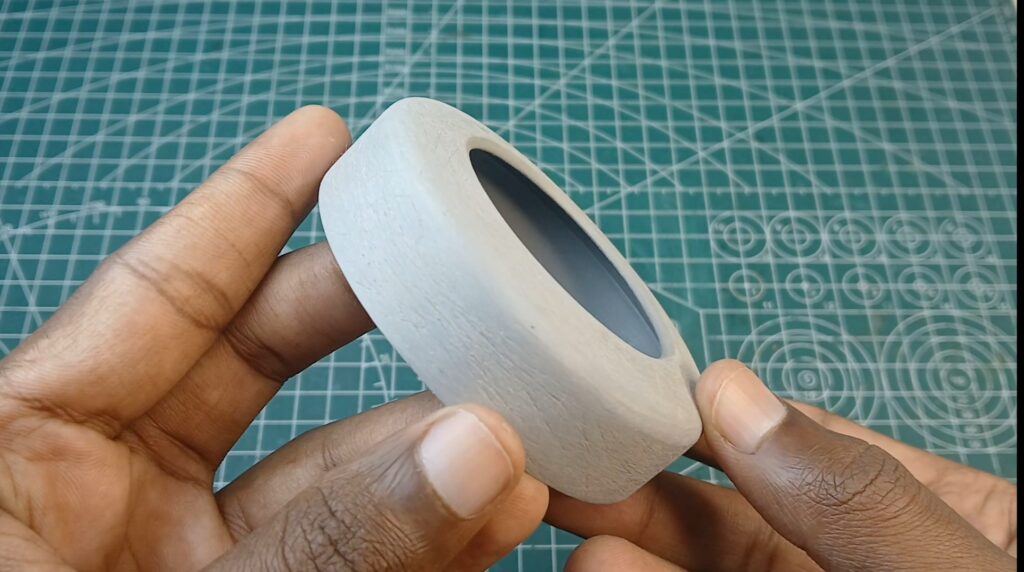
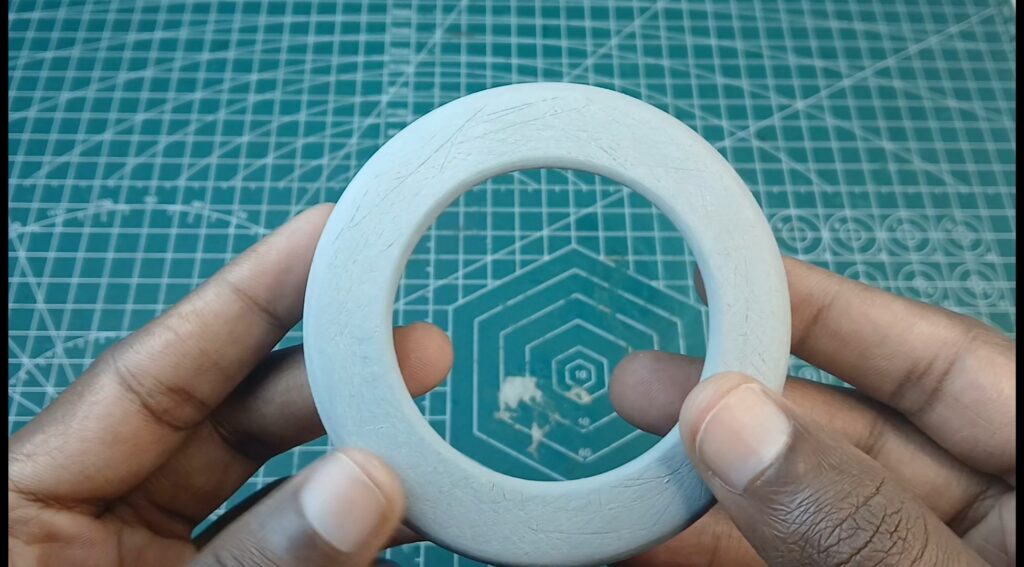
After this is done, we need to sand the Bluetooth speaker body thoroughly with sandpaper to give it a good finish so that it looks nice.
Step 3: Connections
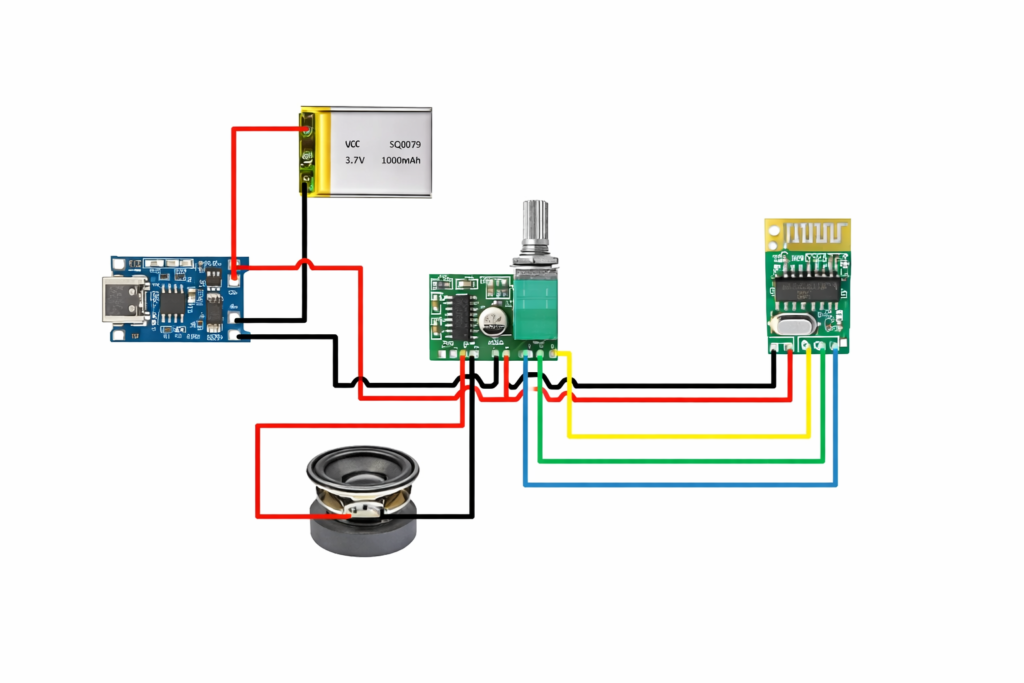
After the Bluetooth speaker body work is finished, the next step is the connections: If there is any problem with the connections, the Bluetooth speaker will be useless. Therefore, you need to understand the connections properly. If you don’t understand it this way, you can watch the complete YouTube video tutorial on how to make it.
Battery
The battery is everything for any electronic device; if its battery power is not good, the device is useless.
Therefore, we are going to use two 3.7V 500mAh lithium-polymer batteries in parallel in this Bluetooth speaker. This will give the Bluetooth speaker a slightly longer backup time, allowing it to run continuously for at least 5 hours.
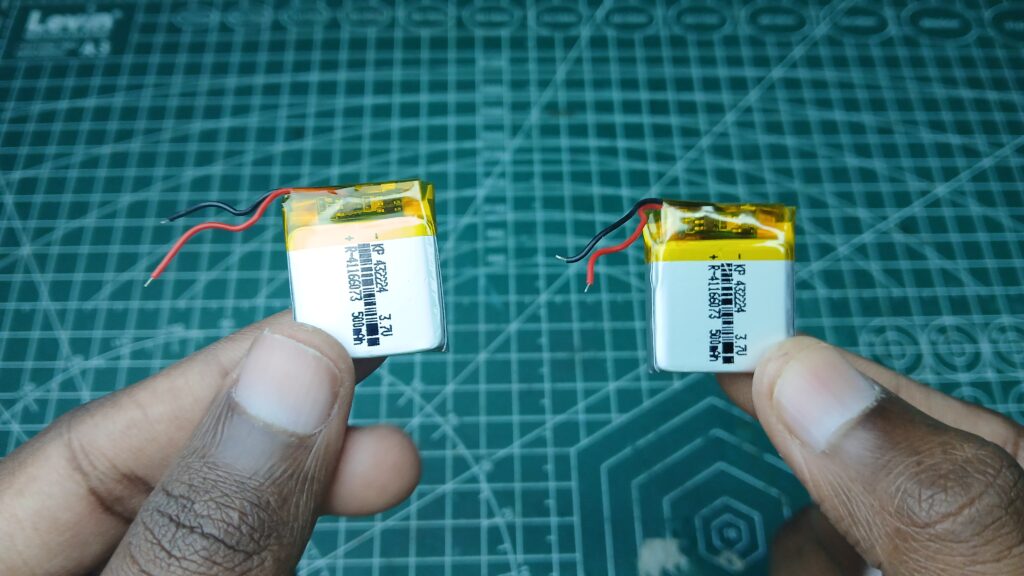
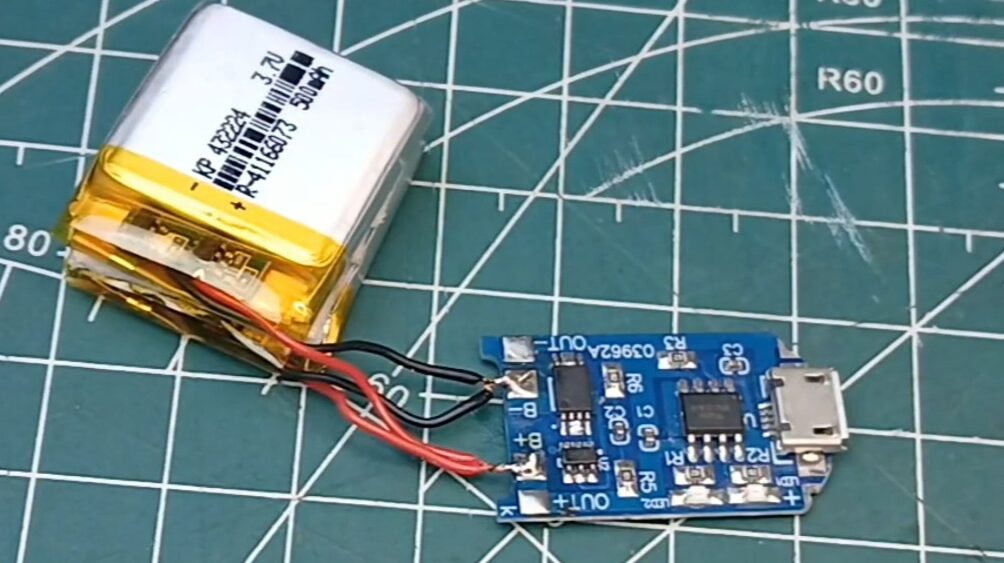
To charge the battery, we will be using the TP4056 charging module.
Solder the battery (+) to the charging module (B+) and the battery (-) to (B-) on the charging module. Something like this.
Read also : How to make a Battery Polarity Tester at home
Amplifier Module and Bluetooth Receiver
When it comes to Bluetooth speakers, a Bluetooth receiver and amplifier module are essential. A Bluetooth receiver module receives audio wirelessly from a device like a smartphone and converts it into a wired audio format.
On the other hand, an audio amplifier module boosts the strength of that audio signal to power speakers or headphones.
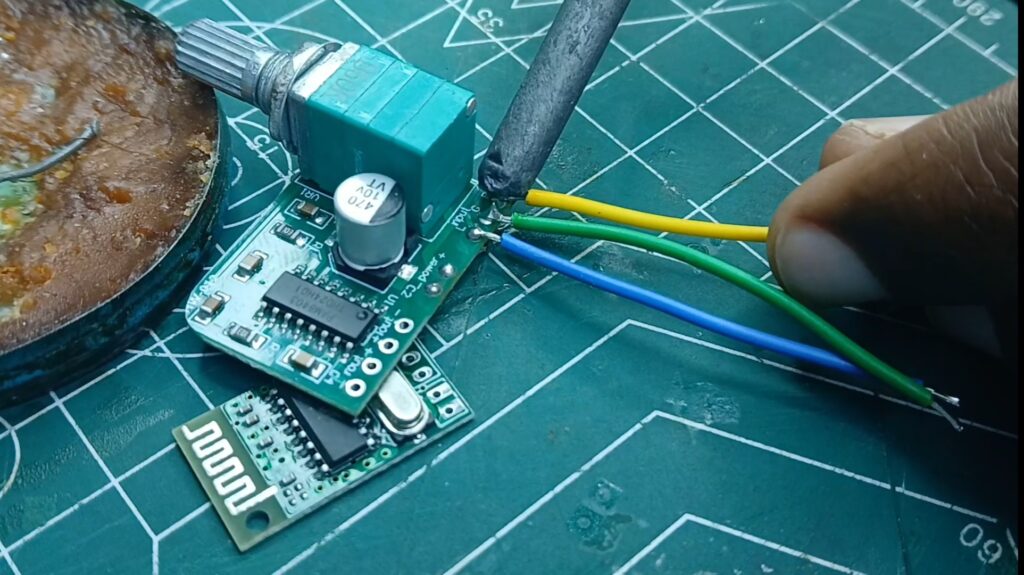
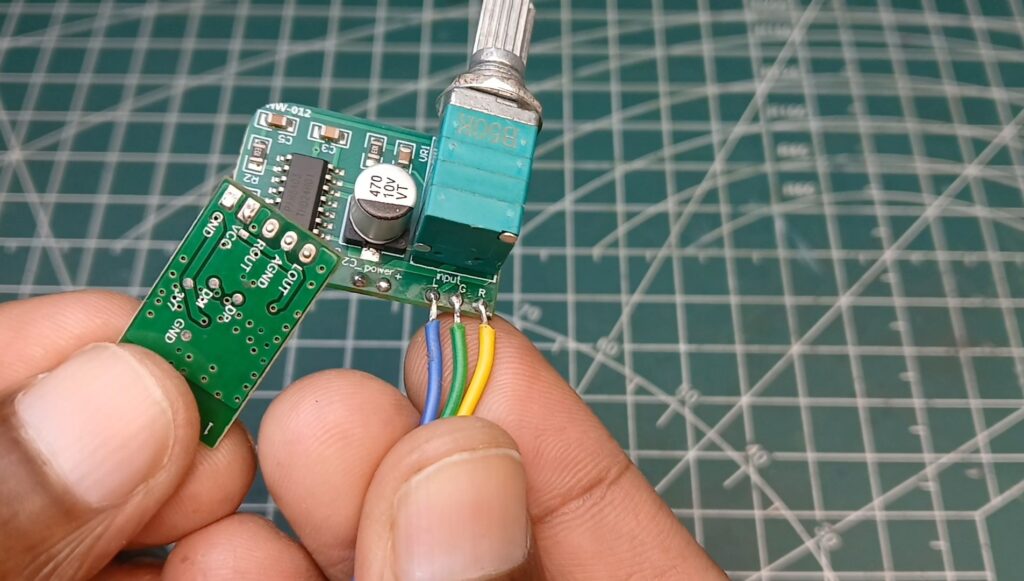
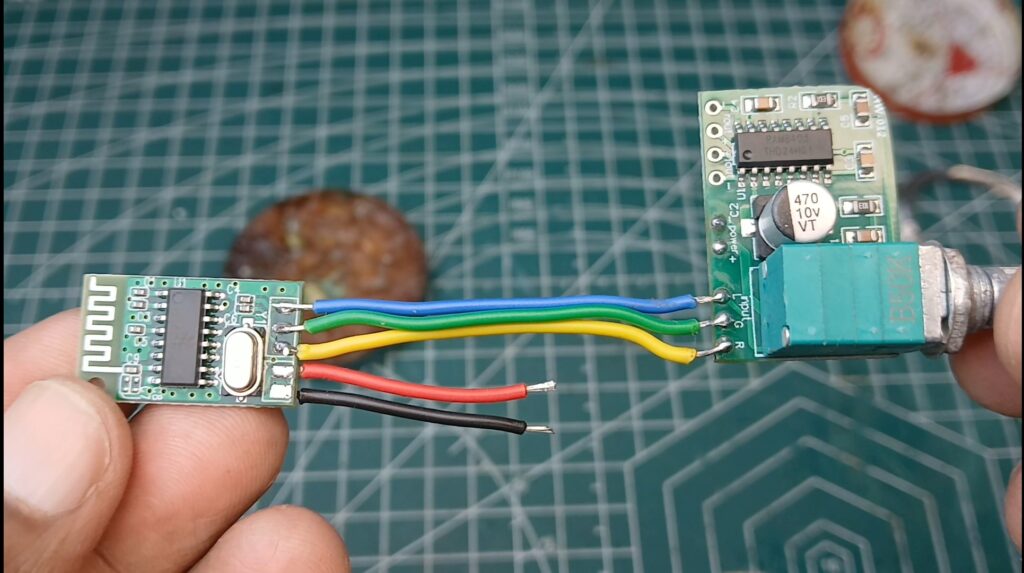
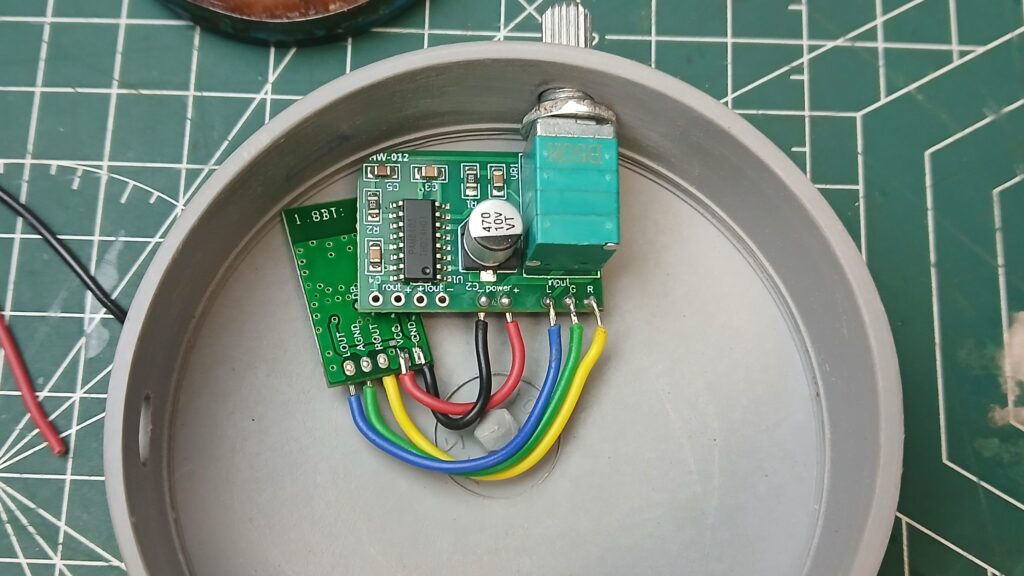
To build this Bluetooth speaker, we will be using the PAM8403 audio amplifier module and a 5V Bluetooth receiver module. Connecting them is very easy. First, solder the left (L), ground (G), and right (R) pins of the receiver to the left (L), ground (G), and right (R) pins of the amplifier module.
Then connect the receiver module’s VCC (B+) and ground (B-) to the amplifier module’s power (+) and (-) points.
After that, connect the battery’s positive (+) output to the receiver’s VCC (+) and the negative (-) output to the ground (-) point.
Speakers
Good speakers mean good sound, so for this Bluetooth speaker, we will be using 2-inch 5W speakers. Speaker connection is very easy. Simply solder the speaker’s positive (+) terminal to either the Left or Right (+) output of the amplifier module, and the speaker’s negative (-) terminal to the Left or Right (-) output.
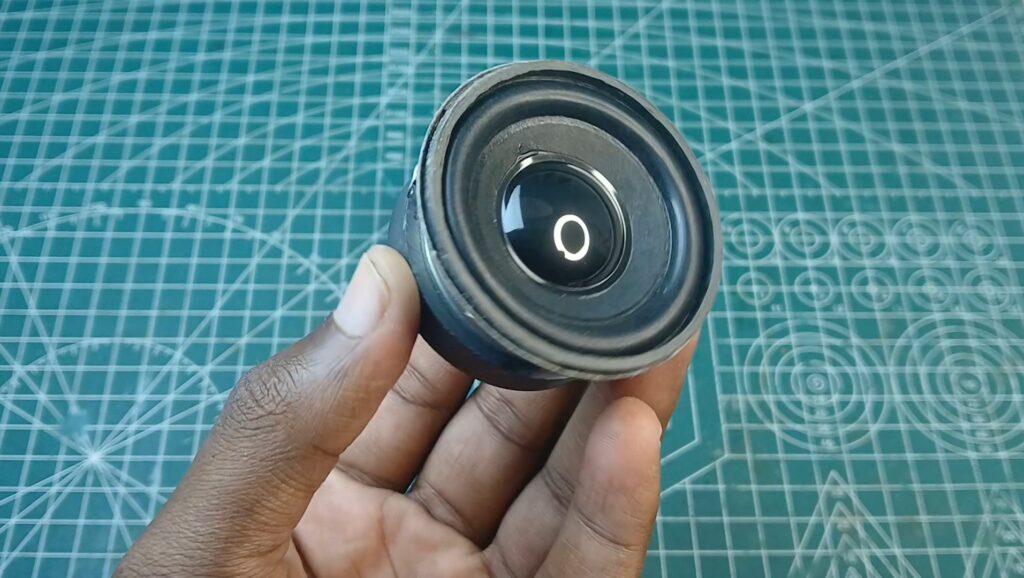
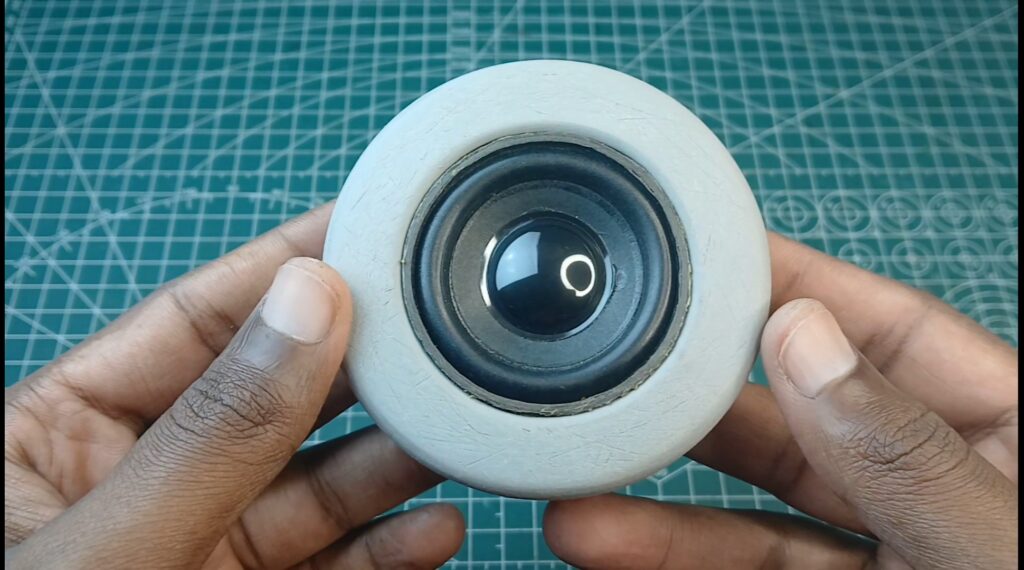
Keep in mind that if you are using a single speaker, you should solder both the (+) and (-) terminals to either the Left or Right outputs. If you are using two speakers, you can use both the Left and Right outputs.
Step 4: Finishing
fter all the connections are made, secure all the components properly with hot glue to prevent any problems later.
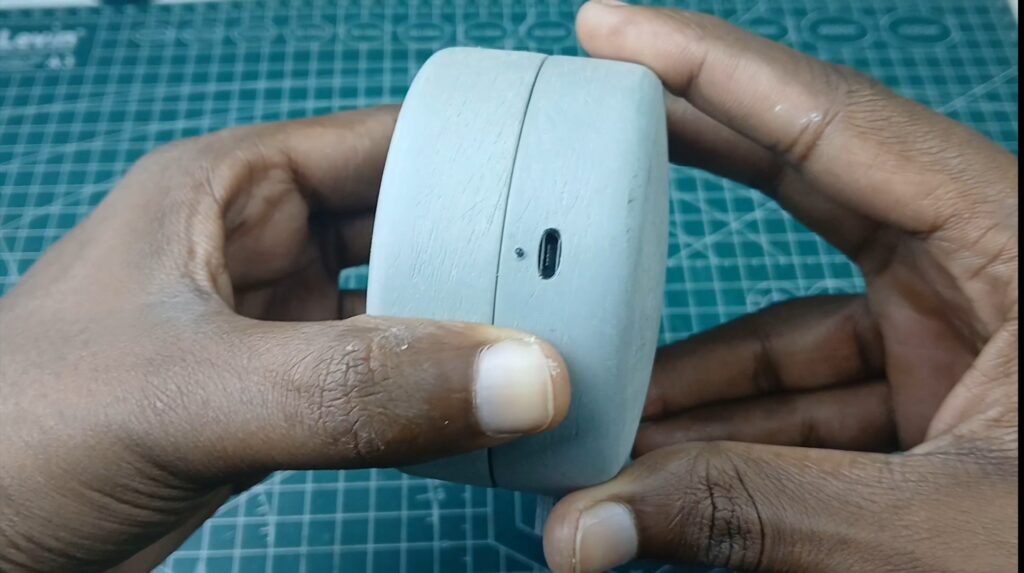
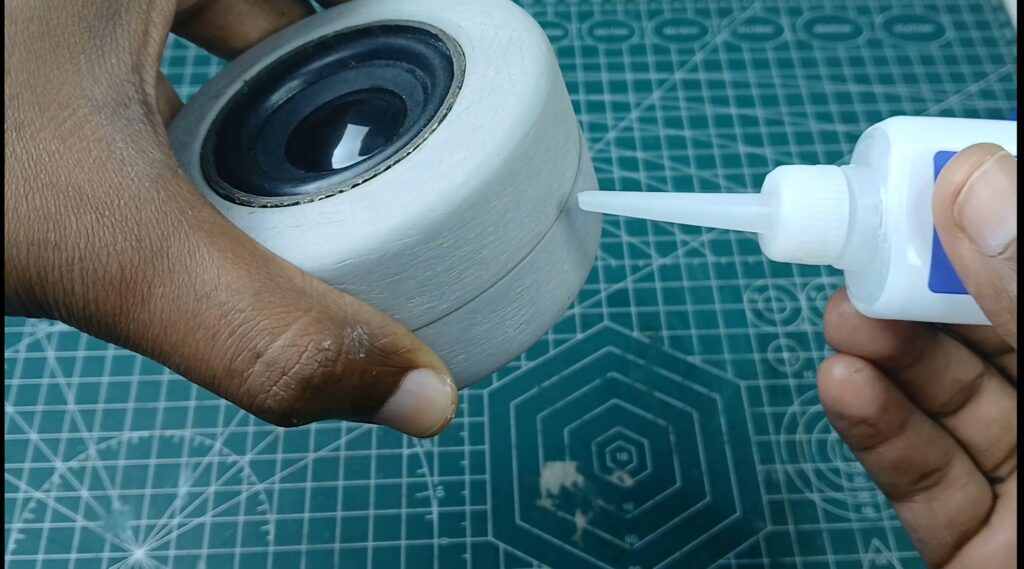
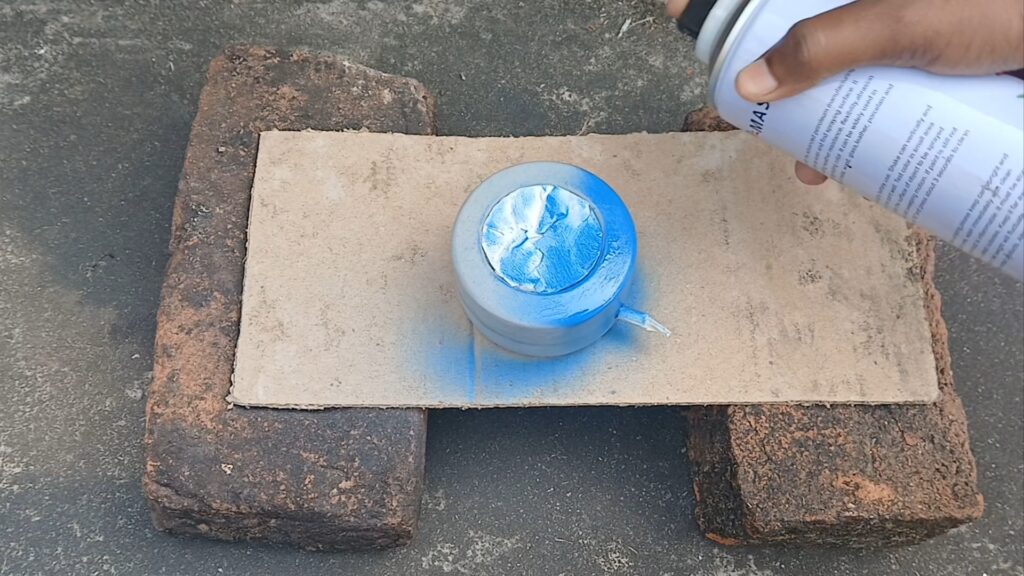
Then, glue the body parts together with super glue so that they don’t come apart. Now all the components like the charging module, speaker, amplifier, etc., are covered, and the Bluetooth speaker is complete.
Step 5: Testing
Now we need to charge the Bluetooth speaker. Please note that a red light will illuminate when the battery is charging, and a green light will turn on when it’s fully charged. Once the green light is on, disconnect the speaker from the charger.
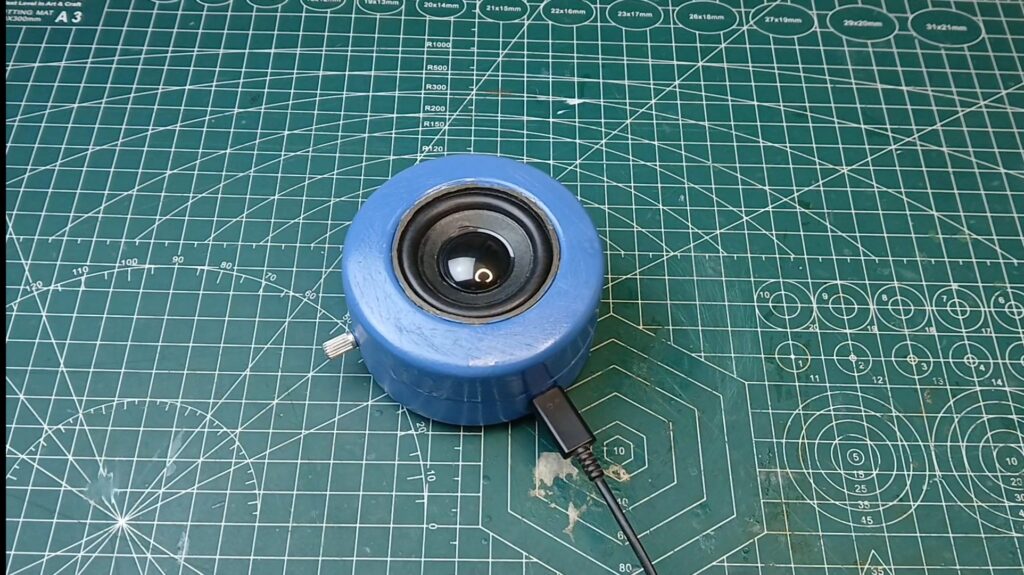
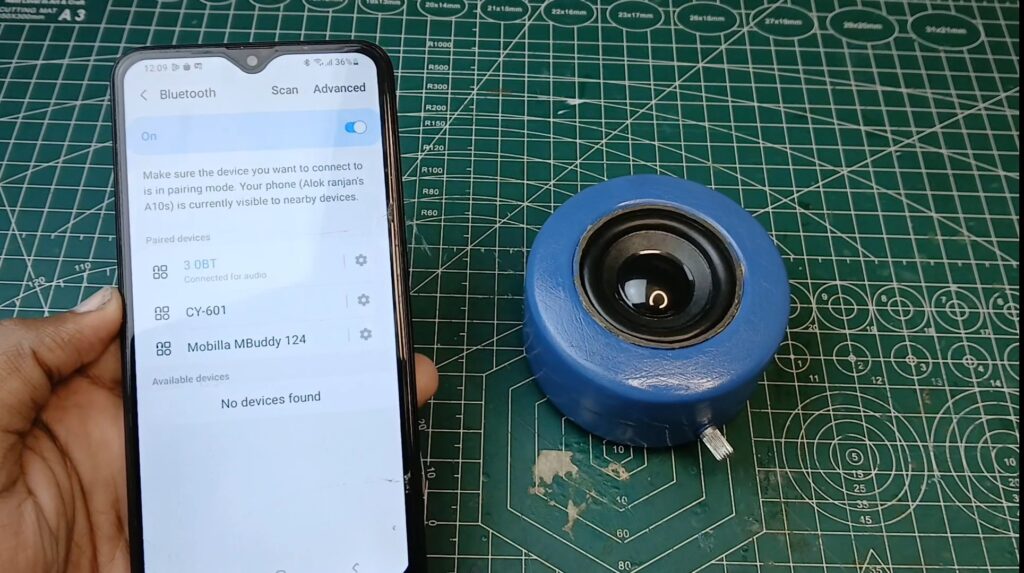
After it’s fully charged, turn on the Bluetooth speaker and connect it to your mobile phone via Bluetooth, then enjoy listening to your favorite songs.
Diagram
Conclusion
If you want, you can easily make one at home and make your journey even more enjoyable with your music.
If you are having any difficulty understanding, you can also watch this YouTube video. It shows everything step-by-step.
Thank you for reading my blog.
Read also : how to make a Wireless LED light at home