
Lithium-ion vs Lead-Acid Battery : Which is Better?
If You’re planning to Buy a battery for your solar system, inverter, UPS, or electric vehicle, you might be confused between lithium-ion and lead-acid batteries. Both have their pros and cons, but which one is the right choice for lifespan, efficiency, cost, maintenance, and performance so you can make the right choice.
What is a lithium-ion Battery? (Amazon)
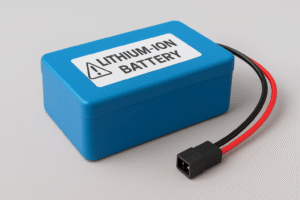
Lithium-ion batteries are a modern solution used in smartphones, laptops, solar system an electric vehicles. They are lightweight, compact, and highly efficient. unlike lead-acid, they do not require maintenance and can last much longer.
A lithium-ion battery typically gives 2000-5000 charge cycles, which means it can last 8-12 years with proper care. They also charge much faster and store energy in less space, making perfect for today’s portable and high performance needs.
The only draw back is the higher upfront cost, but in the long run, they often turn out to b more cost effective due to their longer lifespan.
What is a Lead-Acid Battery? (Amazon)
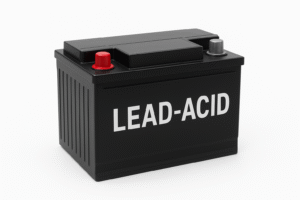
Lead-Acid batteries are one of the oldest rechargeable battery technologies, invented in the 1800s, they are still very popular in cars, inverters and backup power system. The biggest reason for their popularity is their low cost and reliability.
However, lead-acid batteries are heavy, bulky, and require regular maintenance . you often need to top up water levels and clean terminals to prevent corrasion. Their lifespan is also shorter compared to modern alternatives, which means they need replacement every few years.
Lithium-ion vs Lead-acid : side-by-side comparison
| Feature | Lithium-ion battery | Lead-acid battery |
|---|---|---|
| Lifespan | 2000-5000 cycles (8-12 years) | 300-600 cycles (2-4 years) |
| Efficiency | 90-95% | 70-80% |
| Weight | Light weight and compact | Heavy and bulky |
| Charging Time | 2-4 hours | 8-12 hours |
| Maintenance | Zero Maintenance | needs regular maintenance |
| Cost | High upfront (save long-term) | Low upfront (short-term use) |
| Applications | EVs, solar, gadgets | cars, inverters backup, power |
Which Battery should you choose?
choose Lithium-ion if :
- You want long-term performance.
- You need fast charging and higher efficiency.
- You are setting up a solar power system or electric vehicle.
- you prefer a compact, light weight, and maintenance-free solution.
choose Lead-acid if :
- You want a budget-friendly battery.
- You need a battery for short-term or occasional use.
- You are running a car starter battery or basic inverter.
- You prefer a widely available and easily recyclable option.
In short, lithium-ion is a long-term investment, while Lead-acid is a short-term, low -cost solution.
If you need a Best top 5 rechargeable batteries for DIY projects are the clear winner.
Best top 5 rechargeable batteries for DIY projects Blog post
? Frequently Asked Questions. (FAQs)
Q1 . Is Lithium-ion battery worth the high cost?
Yes. Even though Lithium-ion costs more initially, it lasts 3-5 times longer then lead-acid and requires no Maintenance making it more cost-effective over time.
Q2 . Can I replace my inverter’s lead-acid battery with a lithium-ion battery?
Yes. Many modern inverters support lithium-ion batteries, you will get battery backup time faster charging, and higher efficiency.
Q3 . Which battery is best for solar panels?
Lithium-ion battery is the best option for solar systems due to its long life span, faster charging and higher efficiency.
Q4 . Are lead-acid batteries still useful?
Yes, Lead-acid batteries are still useful where cost is more important then efficiency, such as in car starter batteries or low-budget backup systems.
Conclusion
Both lithium-ion and Lead-acid batteries have their unique advantages . If you are looking for long-term savings, efficiency and a maintenance-free option Lithium-ion is the batter choice. However, if you are on a tight budget and need a simple backup solution, Lead-acid batteries still work well.
The best decision depends on your budgets, usage, and long-term needs.