

If you love DIY electronics, robotics, or small home projects, then you already know the battery is the heart of every project. choosing the right rechargeable battery can save your money, improve performance, and make your projects last longer. But with so many types available, which one is best or you?
In this guide, we’ll explore the top 5 rechargeable battery for DIY projects, compare their features and help you pick the right one.
1. Lithium-ion 18650 cells
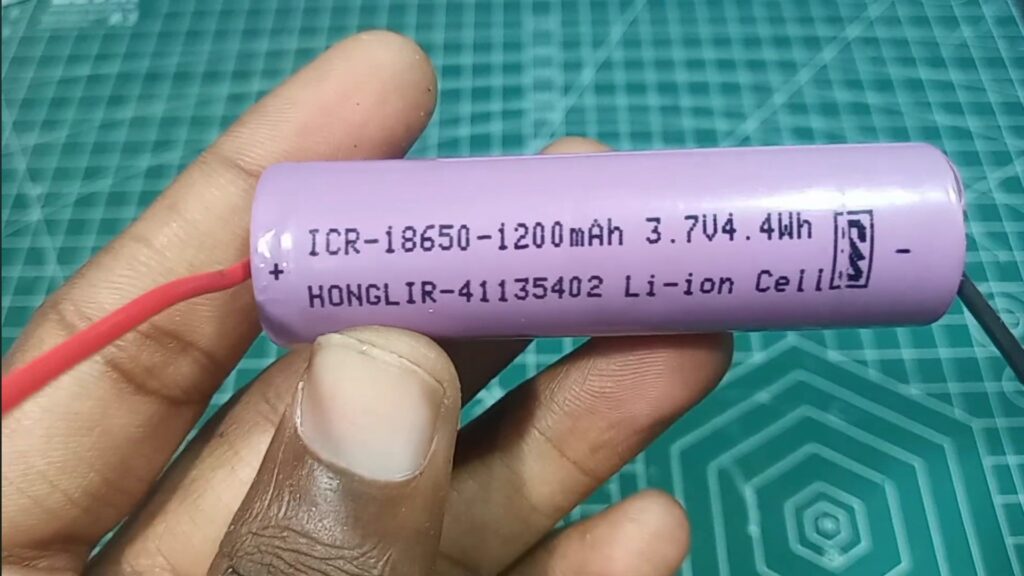
- Voltage : 3.7v per cell
- Capacity : 2000-3500mAh
- Best for : Power banks, robots, led projects
Lithium-ion 18650 Battery’s are very popular in DIY project’s. They have high energy density, fast charging and can be reused hundreds of time’s. These are the same type of cells used insides laptop battery’s and power bank’s.
Make DIY Emergency rechargeable LED Light At Home Using 18650 Lithium ion battery step-by-step guide
Why choose them?- Perfect balance o power, size, and affordability.
2. NiMH AA/AAA Rechargeable Battery’s
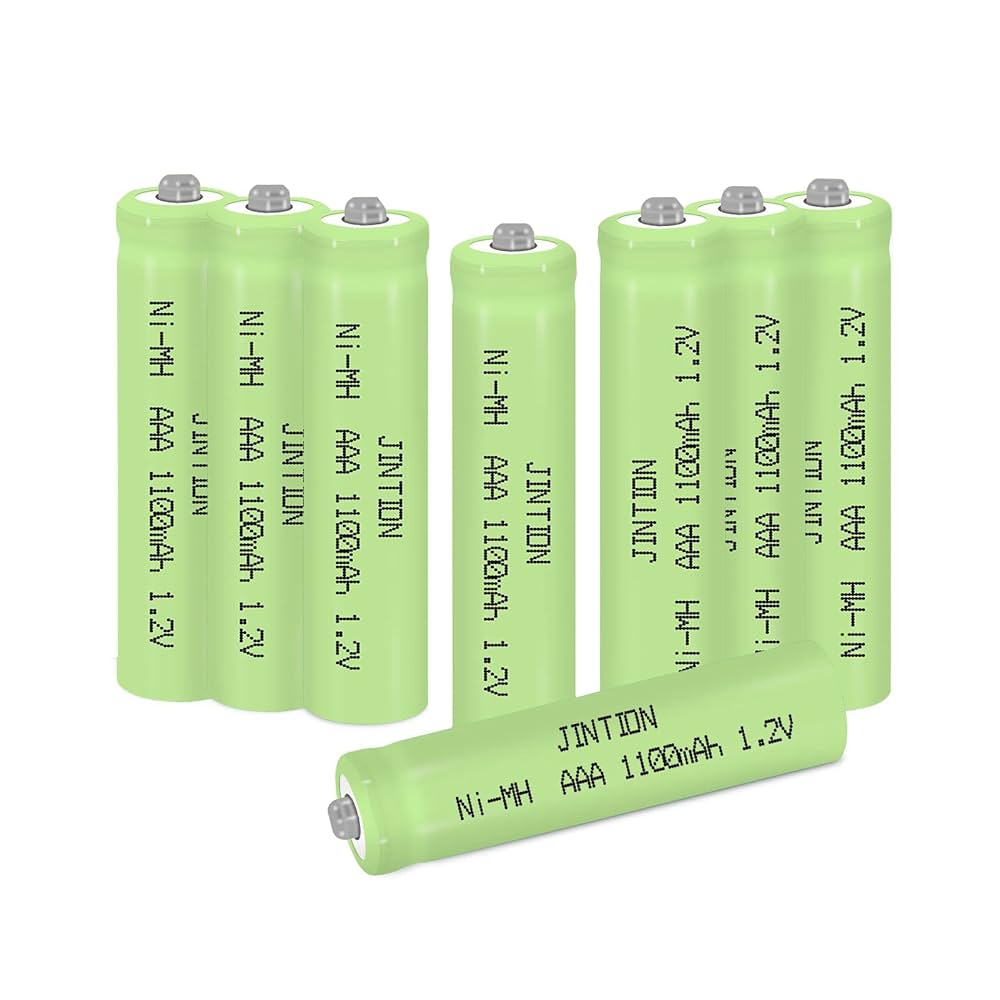
- Voltage : 1.2v per cell
- Capacity : 600-2500mAh
- Best for : Remote controls, toys, small circuits, Arduino projects.
Nickel-metal Hydride (NiMH) Battery’s are easy to find and budget friendly. They are a good alternative to disposable alkaline battery’s and work will in low-power DIY circuits.
Why choose them? – cheap, ecofriendly, and widely available.
🔗 Check NiMH AA/AAA Rechargeable Battery’s on Amazon
3. LiFe P04 (Lithium Iron phosphate) Battery
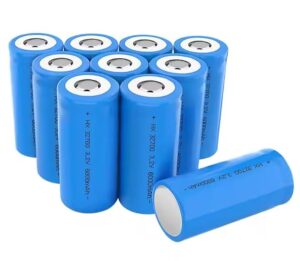
- Voltage : 3.2v per cell
- Capacity : 500-3000mAh (depends on size)
- Best for : solar, electric bikes, ups, IoT devices.
LiFe P04 batteries are know for long cycle life and safety. Unlike normal li-ion cells, they are less likely to overheat or catch fire, making them ideal for beginners.
Why choose them?- Long-lasting and very safe for solar-powered DIY setups.
🔗 Check LiFePO4 Batteries online
4. 9v rechargeable Battery
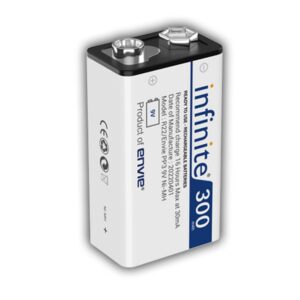
- Voltage : 8.4v – 9v (depending on type)
- Capacity : 200-800mAh
- Best for : Sensors, Arduino boards, smoke alarms, small test circuits.
If your project requires a higher voltage in a compact size, 9v rechargeable battery are a simple solution. They are small, light-weight, and commonly used in beginner electronic kits.
Why choose them?- Convenient for compact DIY builds.
🔗 See 9V Rechargeable Batteries here
5. Rechargeable Li-Po (Lithium polymer)packs
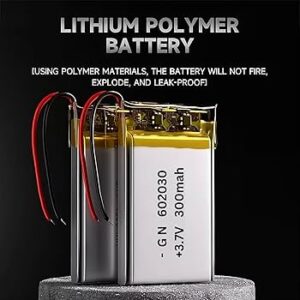
- Voltage : 3.7v per cell (can be stacked for higher voltage)
- Capacity : 500-5000+mAh
- Best for : Rc car, drones, robotics, wearable electronics.
Li-Po batteries are light-weight and can deliver high current output, making them perfect for robotics and drones. However they need careful handling as they can dangerous if overcharged.
Why choose them?- high power for high-performance projects.
🔗 Check Li-Po Battery Packs here
Quick Comparison Table
| Battery Types | Voltage | Capacity | Best Use Case | Safety Level |
|---|---|---|---|---|
| 18650 Li-ion | 3.7v | 2000-3500mAh | Power Banks, Robots, LED Projects | Medium |
| NiMH AA/AAA | 1.2v | 600-2500mah | Remote controls, toys, small circuits, Arduino projects. | High |
| LiFe P04 | 3.2v | 500-3000mAh | Solar, Electric Bikes, UPS, IoT devices. | Very-Low |
| 9v Rechargeable battery | 9v | 200-800mAh | Sensors, Arduino boards, smoke alarms, small test circuits. | High |
| Li-Po Pack | 3.7v | 500-5000mAh | Rc car, drones, robotics, wearable electronics | Medium-Low |
Which Battery is Best for you?
- For beginners / small circuits -NiMH AA/AAA
- For powerful DIY gadgets – Lithium-ion 18650
- For Long term solar or IoT – LiFe P04
- For compact Arduino projects – 9v rechargeable battery
- for Drones or robotics – Li-Po pack
Safety Tips For Rechargeable Batteries
- Always use the right charger for each battery type
- Avoid overcharging or deep discharging
- Store in a cool or dry place
- Never puncture or short circuit Li-ion / Li-Po cells
Conclusion
The right rechargeable battery depends on Your project type, power needs, and budget. For general DIY use, Lithium ion 18650 cells are the most versatile, while LiFe P04 batteries are the safest for long-term use.